 Meriem Taleb, PhD
Have you ever wondered about the difference between hibiscus and roselle when you drink a cup of bright red “hibiscus tea”? Many people assume they come from the same plant, but they don’t. The deep red tea you love is usually made from roselle (Hibiscus sabdariffa), not the ornamental garden hibiscus (Hibiscus rosa-sinensis).
Understanding the difference between hibiscus and roselle isn’t just a botanical detail, it changes how you grow, drink, and benefit from these plants. Let’s look closer at what sets them apart in appearance, use, and evidence-based health effects.
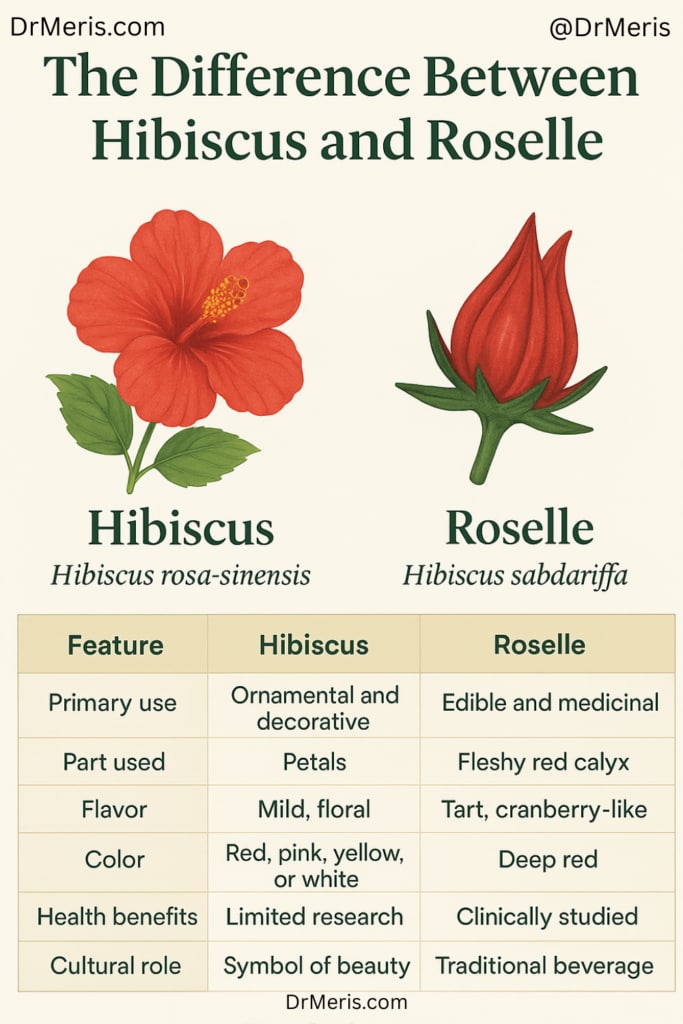
Hibiscus (Hibiscus rosa-sinensis): The Ornamental Beauty
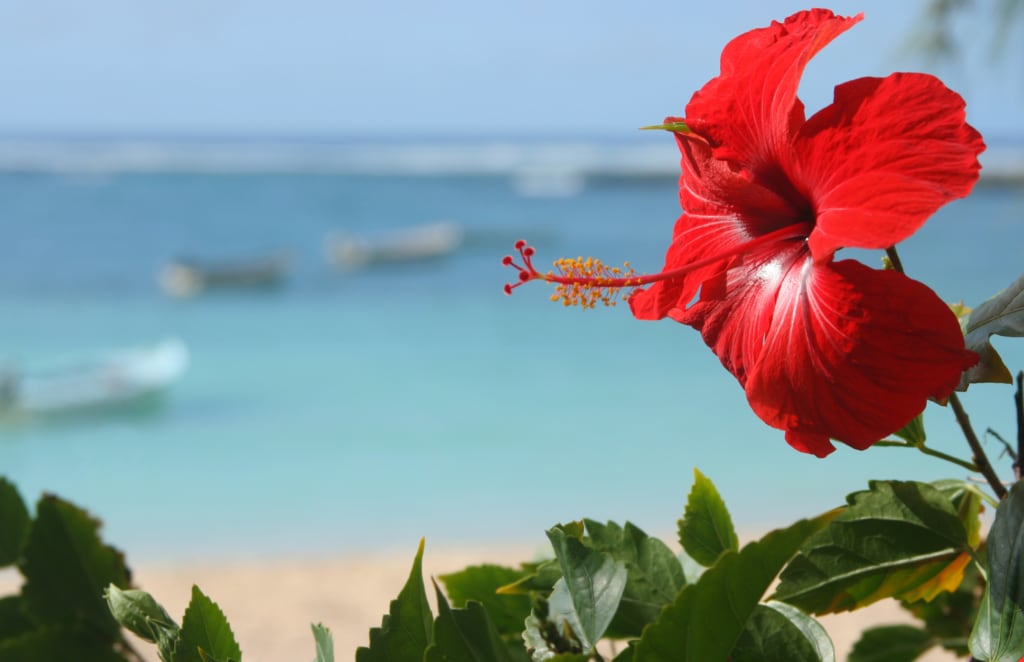
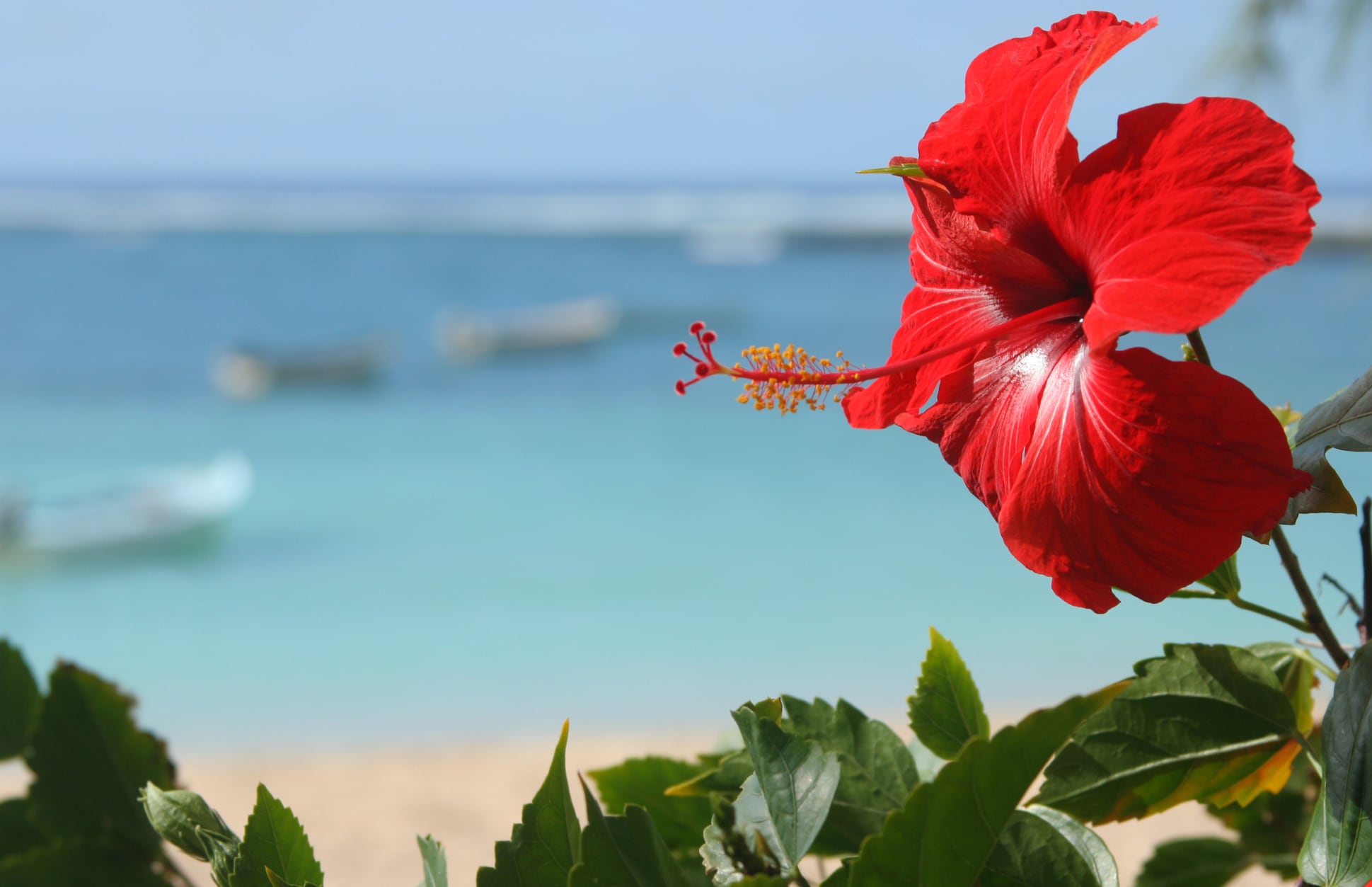
When most people think of hibiscus, they picture a large, tropical flower; the symbol of island vacations and lush gardens. This is Hibiscus rosa-sinensis, an ornamental plant celebrated for its vivid colors and elegant petals. But despite its beauty, this species has very different characteristics from roselle.
Key facts
- Scientific name: Hibiscus rosa-sinensis
- Main use: Ornamental decoration and landscaping
- Appearance: Broad petals in shades of red, pink, orange, or yellow
- Taste: Mildly floral, not tart
- Common uses: Decorative flower, hair and skincare, traditional herbal applications
In short, while hibiscus brightens your garden, it’s not the source of the tangy red “hibiscus tea” you find in shops. That role belongs to its lesser-known cousin, roselle.
Roselle (Hibiscus sabdariffa): The True Source of Hibiscus Tea
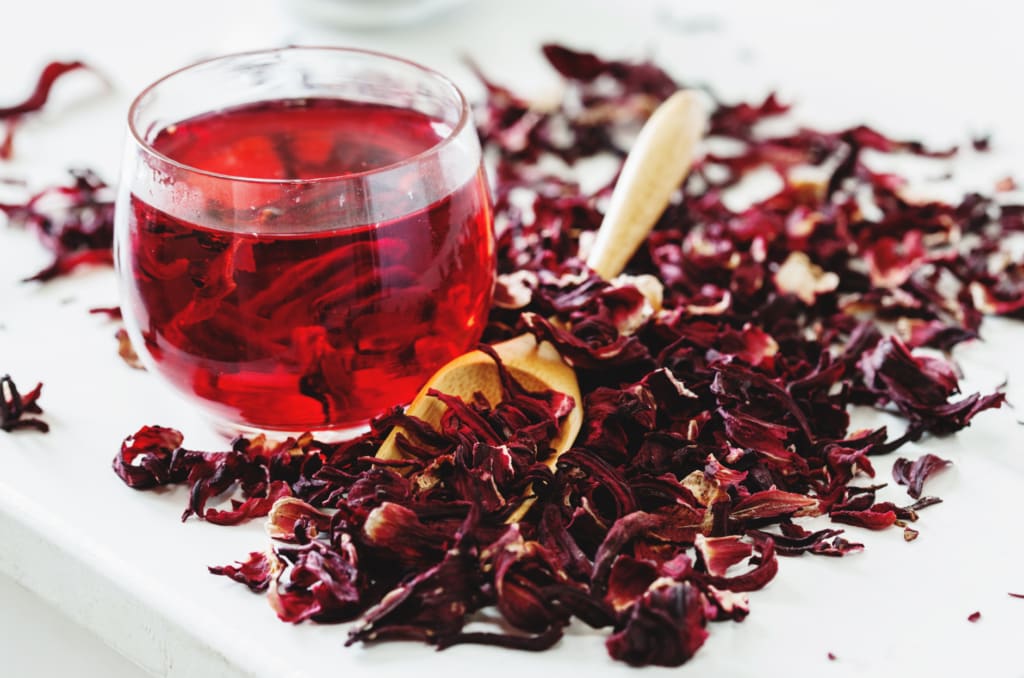
Here’s where the real difference between hibiscus and roselle becomes clear. Roselle (Hibiscus sabdariffa) is an edible plant with fleshy red calyces — the part that’s harvested, dried, and brewed into the famous ruby-red tea known worldwide as “hibiscus tea.”
Key facts
- Scientific name: Hibiscus sabdariffa
- Common names: Roselle, Bissap (West Africa), Karkadé (Egypt/Sudan), Sorrel (Caribbean)
- Flavor: Tart and fruity, similar to cranberry
- Color: Deep crimson red
- Main uses: Herbal teas, jams, sauces, and nutritional supplements
When you understand the difference between hibiscus and roselle, you realize that nearly every cup of “hibiscus tea” is actually roselle tea, prized for its tangy flavor and health-boosting properties.
The Difference Between Hibiscus and Roselle at a Glanc
| Feature | Hibiscus (H. rosa-sinensis) | Roselle (H. sabdariffa) |
|---|---|---|
| Primary use | Ornamental and decorative | Edible and medicinal |
| Part used | Petals | Fleshy red calyx |
| Flavor | Mild, floral | Tart, cranberry-like |
| Color | Various bright hues | Deep crimson red |
| Health benefits | Minimal clinical research | Scientifically proven benefits |
| Cultural role | Decorative flower | Traditional health beverage |
This table captures the essence of the difference between hibiscus and roselle: one is for beauty, the other for wellness.
Health Benefits of Roselle (Hibiscus sabdariffa)
Roselle’s health benefits are well documented in scientific literature. Here’s what makes it the go-to plant for herbal infusions and functional beverages.
Supports Healthy Blood Pressure
Clinical trials show that roselle tea can reduce both systolic and diastolic blood pressure in people with mild hypertension.1, 2 This is one of the main reasons for its popularity in herbal medicine.
Rich in Antioxidants
Roselle calyces contain high levels of anthocyanins, flavonoids, and phenolic acids – compounds known for protecting cells against oxidative stress and inflammation.3
Promotes Liver and Heart Health
Regular consumption of roselle tea has been associated with improved cholesterol balance and liver enzyme levels, supporting cardiovascular health .4, 5
Naturally Caffeine-Free and Hydrating
Unlike green or black tea, roselle tea contains no caffeine, making it suitable for daily hydration and gentle detox support.6
Understanding this part of the difference between hibiscus and roselle explains why one is mainly decorative while the other is a functional superfood.
Hibiscus in Traditional Use
The ornamental hibiscus has modest applications compared to roselle. In some cultures, its petals and leaves are used for:
- Traditional wound-healing or anti-inflammatory remedies7
- Hair and skincare formulations
- Mild herbal tonics or infusions
However, most of the health benefits linked to “hibiscus tea” come from roselle, not ornamental hibiscus. This distinction is crucial when discussing the difference between hibiscus and roselle in herbal medicine.
How to Brew Roselle Tea
Here’s how to prepare authentic roselle tea, the real “hibiscus tea” that delivers flavor and health benefits.
- Add 2 tablespoons of dried roselle calyces per cup of water.
- Bring to a boil and simmer for 10–15 minutes.
- Strain and sweeten to taste, if desired.
- Serve hot or chilled with lemon, mint, or ginger.
For the best results, check that your tea is labeled Hibiscus sabdariffa. That’s the genuine roselle species.
The Bottom Line
When it comes to the difference between hibiscus and roselle, it all comes down to purpose:
- Hibiscus rosa-sinensis is the showy ornamental flower seen in gardens.
- Hibiscus sabdariffa (roselle) is the edible variety that offers proven health benefits.
You might also like:
Science-Backed Natural Remedies For Colds and Flu
Shilajit: Evidence-Based Health Benefits and Safety
Science-Backed Alternative Medicines for Premenstrual Syndrome
References
1. McKay, D. L., Chen, C. Y. O., Saltzman, E., & Blumberg, J. B. (2010). Hibiscus sabdariffa L. tea lowers blood pressure in prehypertensive and mildly hypertensive adults. Journal of Nutrition, 140(2), 298–303. DOI: 10.3945/jn.109.115097
2. Serban, C., Sahebkar, A., Ursoniu, S., & Banach, M. (2015). Effect of hibiscus tea consumption on blood pressure: A systematic review and meta-analysis of randomized controlled trials. Journal of Hypertension, 33(6), 1119–1127. DOI: 10.1097/HJH.0000000000000585
3. Tseng, T. H., Kao, E. S., Chu, C. Y., Chou, F. P., Lin Wu, H. W., & Wang, C. J. (2021). Protective effects of Hibiscus sabdariffa extract on oxidative stress and liver fibrosis in rats. Food and Chemical Toxicology, 49(8), 1830–1835. DOI: 10.1016/s0278-6915(97)85468-3
4. Carvajal-Zarrabal, O., Waliszewski, S. M., Barradas-Dermitz, D. M., Orta-Flores, Z., Hayward-Jones, P. M., & Nolasco Hipólito, C. (2012). Hibiscus sabdariffa L., roselle calyx, from ethnobotany to pharmacology. Journal of Medicinal Plants
Research, 6(25), 4062–4071. DOI: 10.2147/JEP.S27974
5. Hopkins, A. L., Lamm, M. G., Funk, J. L., & Ritenbaugh, C. (2013). Hibiscus sabdariffa L. in the treatment of hypertension and hyperlipidemia: A comprehensive review of animal and human studies. Fitoterapia, 85, 84–94. DOI: 10.1016/j.fitote.2013.01.003
6. Healthline. (2023). 8 Benefits of Hibiscus Tea. Retrieved from https://www.healthline.com/nutrition/hibiscus-tea-benefits
7. Raza H, Sultan MT, Ahmad K, Maaz M, Zafar S, Noman AM, Al Jbawi EM. Hibiscus rosa-sinensis: A Multifunctional Flower Bridging Nutrition, Medicine, and Molecular Therapeutics. Food Sci Nutr. 2025 Nov 27;13(12):e71254. doi: 10.1002/fsn3.71254
Sign Up for Our Email List
Get our latest articles, healthy recipes, tips, and exclusive deals delivered straight to your inbox with our newsletter.
We won't send you spam. Unsubscribe at any time.