 Meriem Taleb, PhD
Do Probiotics Really Work? Here’s What the Science Really Says
Do probiotics really work? Yes, but not all probiotics work, not every probiotic works for every condition, and choosing the right strain matters much more than choosing the most expensive product.
If you have ever walked into a pharmacy, you have probably seen shelves filled with probiotic supplements claiming to improve digestion, reduce bloating, strengthen the gut microbiome, boost immunity, support mental health, improve skin health, and even help with weight loss.
With so many products making bold promises, it is natural to wonder:
Do probiotics actually work, or is it mostly clever marketing?
As a scientist, I prefer asking a different question:
What does the best available scientific evidence actually show?
The answer is encouraging, but more nuanced than marketing often suggests. Probiotics are among the most extensively studied dietary supplements, and some strains have demonstrated real clinical benefits. However, other products have little or no convincing evidence behind their claims1, 2.
Recent reviews continue to emphasize that probiotic effects depend on the strain, dose, formulation, target condition, product quality, and host factors such as age, diet, immune status, and baseline microbiota composition3, 4, 5.
The most important point is this:
The effects of probiotics are strain-specific and disease-specific.
A benefit demonstrated for one probiotic strain cannot automatically be applied to another strain, even if both belong to the same bacterial species1, 6, 7.
In this evidence-based guide, we will separate scientific facts from marketing claims. You will learn what probiotics are, how they work, which conditions they may truly help, where the evidence is still weak, and how to choose a probiotic supplement intelligently.
Quick Verdict
Do probiotics really work?
Brief answer: Yes, but only when the right probiotic strain is used for the right health condition.
DrMeris Evidence Rating
Strong evidence
Probiotics are best supported for:
- prevention of antibiotic-associated diarrhea
- some forms of infectious diarrhea
- selected gastrointestinal conditions when specific strains are used
Moderate evidence
Probiotics may help with:
- irritable bowel syndrome
- functional constipation
- supportive therapy in ulcerative colitis
- reducing side effects during Helicobacter pylori treatment
Limited evidence
Evidence remains uncertain for:
- respiratory infections
- allergies
- eczema
- mental health
- blood sugar regulation
- skin health
Insufficient evidence
Current evidence does not strongly support probiotics for:
- weight loss
- cancer prevention
- detoxification
- anti-aging
- general “immune boosting” in healthy adults
What Are Probiotics?
According to the International Scientific Association for Probiotics and Prebiotics, probiotics are defined as:
Live microorganisms that, when administered in adequate amounts, confer a health benefit on the host6.
Every word in this definition matters.
“Live microorganisms”
The organisms must still be alive when consumed. Heat, moisture, poor storage conditions, and time can reduce the number of viable microorganisms in a product2, 4.
“Adequate amounts”
A probiotic only works if enough living microorganisms reach the intestine. This is why products often report their content as colony-forming units, or CFU. However, more CFUs do not automatically mean better results. A well-studied strain at an appropriate dose is generally more valuable than a poorly studied product with a very high CFU count1, 6, 7.
“Health benefit”
This is the most important part of the definition. A product should demonstrate a scientifically supported health benefit. Simply containing bacteria does not automatically make a product clinically effective4, 6.
Most probiotics belong to groups such as:
- Bifidobacterium
- Lactobacillus and related reclassified genera
- Saccharomyces boulardii
- certain strains of Bacillus
One important point is often overlooked:
Not all probiotics are the same.
A benefit demonstrated for one strain cannot automatically be assumed for another1, 6, 7.
The Gut Microbiome: Why It Matters
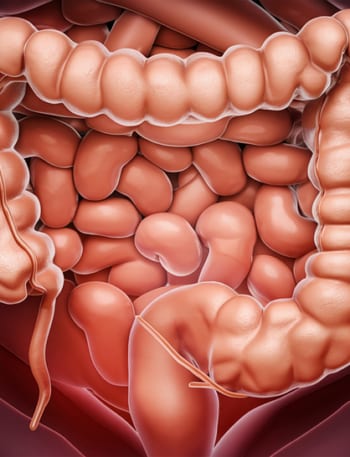
Your digestive tract contains trillions of microorganisms, including bacteria, fungi, viruses, and archaea. Together, they form the gut microbiome.
Many of these microorganisms perform important functions, including helping digest dietary fiber, producing short-chain fatty acids, supporting the intestinal barrier, interacting with the immune system, and protecting against harmful microorganisms2, 3, 8.
The gut microbiome changes throughout life and can be influenced by diet, antibiotics, infections, age, stress, sleep, physical activity, and chronic diseases2, 3.
When this microbial ecosystem becomes disrupted, a condition often called dysbiosis, it may contribute to certain digestive, inflammatory, metabolic, and immune-related disorders. However, dysbiosis is complex and cannot simply be “fixed” by taking any probiotic supplement. The effect depends on the specific strain, dose, person, product quality, and health condition2, 3, 4.
How Do Probiotics Work?
Contrary to popular belief, most probiotics do not permanently colonize the intestine. Instead, many probiotic strains appear to provide benefits while they pass through the gastrointestinal tract2.
Different strains act in different ways, but probiotics may help by:
- supporting the intestinal barrier
- competing with harmful microorganisms
- producing antimicrobial compounds
- producing beneficial metabolites such as short-chain fatty acids
- modulating immune responses
- influencing inflammation
- interacting with the gut microbiome
- influencing gut-brain communication
Recent reviews describe probiotics as biologically active microorganisms that may affect gut health through several overlapping mechanisms, including competitive exclusion of pathogens, production of bioactive metabolites, immune modulation, reinforcement of epithelial barrier function, and interaction with inflammatory pathways2, 3, 5.
Some probiotic strains may help maintain the integrity of the intestinal barrier, limiting the passage of unwanted substances across the gut lining2. Others may compete with pathogens for nutrients and attachment sites or produce antimicrobial compounds that inhibit harmful bacteria6, 7.
Certain probiotics also produce beneficial metabolites, including short-chain fatty acids such as acetate, propionate, and butyrate. These compounds help nourish intestinal cells and may contribute to gut barrier function, local immune regulation, and metabolic signaling2, 5, 8.
Some strains may also influence immune cell activity and inflammatory signaling. This does not mean probiotics simply “boost” the immune system. Instead, they may help regulate immune balance by influencing innate and adaptive immune pathways2, 5, 7.
Emerging research suggests that probiotics may also interact with the gut-brain axis, which connects the intestine and the brain through neural, hormonal, immune, and metabolic pathways. However, evidence remains much stronger for digestive conditions than for mental health disorders2, 3.
Why Strain Matters More Than the Brand Name
One of the biggest misconceptions about probiotics is the assumption that all products are interchangeable.
They are not.
Two products may both contain Lacticaseibacillus rhamnosus, but only one may contain the specific strain that has been evaluated in randomized controlled trials. Scientific evidence applies to specific strains, not simply to broad bacterial species6, 1.
This explains why one probiotic may be recommended in clinical guidance while another product, despite similar marketing claims, has little supporting evidence.
Whenever possible, a high-quality probiotic product should clearly identify:
- the genus
- the species
- the strain designation
- the number of live organisms
- storage conditions
- expiration date
For example, a complete label would identify something like:
Lacticaseibacillus rhamnosus GG
rather than simply saying:
“contains Lactobacillus.”
The strain designation matters because the evidence is strain-specific1, 6, 7.
Which Conditions Do Probiotics Really Help?
One reason people feel confused about probiotics is that advertisements often present them as a universal solution.
In reality, probiotics are not a single treatment. Think of probiotics like medications. You would not expect the same antibiotic to treat every infection. The same principle applies to probiotics.
A strain that reduces antibiotic-associated diarrhea may have little or no effect on constipation. Another strain may improve IBS symptoms but not influence respiratory infections. The clinical benefit depends on the strain, dose, duration of use, condition being treated, and the individual person1, 4, 7.
Recent broad reviews describe potential probiotic applications across gastrointestinal, immune, metabolic, respiratory, cardiovascular, and neurological conditions. However, they also highlight a crucial point: promising biological mechanisms do not always translate into strong clinical recommendations for every condition3, 5.
1. Antibiotic-Associated Diarrhea
Evidence Rating: Strong
One of the clearest clinical applications of probiotics is preventing antibiotic-associated diarrhea.
Antibiotics can save lives, but they also disrupt the normal gut microbiota. This disruption may allow opportunistic microorganisms to grow, leading to diarrhea that ranges from mild digestive discomfort to more serious complications.
Large systematic reviews and meta-analyses show that selected probiotic strains reduce the risk of antibiotic-associated diarrhea in both adults and children, particularly when probiotics are started shortly after antibiotic treatment begins1, 9.
Among the best-studied strains are:
- Saccharomyces boulardii CNCM I-745
- Lacticaseibacillus rhamnosus GG
- selected combinations of Bifidobacterium and Lactobacillus-related species
The protective effect may result from improved microbial balance, competition with pathogens, reinforcement of the intestinal barrier, and modulation of immune responses2, 6, 7.
DrMeris Verdict: Probiotics have strong evidence for preventing antibiotic-associated diarrhea when the correct strain is used.
2. Clostridioides difficile Infection
Evidence Rating: Moderate
Clostridioides difficile infection is one of the most serious complications associated with antibiotic use, especially among hospitalized patients, older adults, and people with additional risk factors.
Several reviews suggest that specific probiotic preparations may reduce the risk of C. difficile-associated diarrhea in selected high-risk populations, especially when administered early during antibiotic treatment9.
However, not all professional societies recommend routine probiotic use for everyone because studies differ in population, strain, dose, and clinical setting. For this reason, probiotics should be considered a possible adjunct, not a replacement for established infection-control measures, medical care, or appropriate antibiotic management.
DrMeris Verdict: Promising evidence exists for selected high-risk patients, but routine use should be individualized.
3. Infectious Diarrhea
Evidence Rating: Strong to Moderate
Some probiotics may shorten the duration of acute infectious diarrhea, particularly in children. However, the magnitude of benefit varies between studies and depends on the strain used10.
Evidence appears stronger for certain well-studied strains and less convincing for products that do not clearly identify their strain or clinical evidence.
DrMeris Verdict: Certain strains may help reduce the duration of infectious diarrhea, but product choice matters.
4. Irritable Bowel Syndrome
Evidence Rating: Moderate
Irritable bowel syndrome, or IBS, is one of the most common reasons people take probiotics.
Evidence for probiotics in IBS is mixed. Some strain-specific and disease-specific reviews suggest that selected probiotic strains or formulations may improve abdominal pain, bloating, excessive gas, stool consistency, or overall symptom severity in some individuals1. However, the American College of Gastroenterology guideline suggests against probiotics for global IBS symptoms because the certainty of evidence is very low11.
Responses differ substantially between individuals because IBS is not one single disease. It includes different patterns and mechanisms, such as constipation-predominant IBS, diarrhea-predominant IBS, mixed IBS, visceral hypersensitivity, altered motility, and gut-brain interaction11.
For this reason, probiotics should not be presented as a guaranteed IBS treatment. If used, they should be trialed cautiously, with realistic expectations and attention to the exact strain, dose, and symptom target1.
DrMeris Verdict: Probiotics may be worth a cautious, time-limited trial for some IBS symptoms, but the evidence is mixed and guideline recommendations remain conservative.
5. Functional Constipation
Evidence Rating: Moderate
Constipation is one of the most common digestive complaints worldwide, and probiotics are often promoted as a natural solution.
Current evidence suggests that certain Bifidobacterium and Lactobacillus-related strains may help some people by increasing bowel movement frequency, improving stool consistency, reducing intestinal transit time, and supporting a healthier gut environment1.
However, improvements are usually modest. Probiotics should not replace first-line constipation strategies such as adequate dietary fiber, hydration, regular physical activity, psyllium when appropriate, kiwi fruit, prunes, or other evidence-based dietary approaches.
If you are interested in this topic, you can also explore the Best Natural Remedies for Constipation: Evidence Ranked by Science.
DrMeris Verdict: Probiotics may help some people with constipation, especially when combined with fiber, hydration, and lifestyle changes.
6. Helicobacter pylori Infection
Evidence Rating: Moderate
Helicobacter pylori infects a large proportion of the global population and is associated with gastritis, peptic ulcer disease, and increased gastric cancer risk.
Probiotics alone cannot eradicate H. pylori. However, selected strains may be useful alongside standard antibiotic therapy by improving eradication rates in some studies and reducing antibiotic-related side effects such as diarrhea, nausea, and digestive discomfort1, 12.
For this reason, probiotics may be considered supportive therapy, not curative therapy.
DrMeris Verdict: Useful as an adjunct to standard treatment, but not a replacement for medical therapy.
7. Ulcerative Colitis
Evidence Rating: Moderate
Ulcerative colitis is a chronic inflammatory bowel disease characterized by recurrent inflammation of the colon.
Some clinical trials suggest that specific probiotic formulations may help maintain remission in certain patients, particularly when used alongside conventional medical treatment1, 12.
However, probiotics should never replace prescribed therapy for inflammatory bowel disease. Evidence appears stronger for ulcerative colitis than for Crohn’s disease.
DrMeris Verdict: Some probiotic preparations may be beneficial as complementary therapy under medical supervision.
8. Crohn’s Disease
Evidence Rating: Insufficient
Unlike ulcerative colitis, current evidence does not consistently show meaningful clinical benefits of probiotics in Crohn’s disease.
Several reviews have concluded that routine probiotic supplementation cannot currently be recommended for inducing or maintaining remission in Crohn’s disease1, 12.
This is an important reminder that probiotics are not universally effective simply because they are “good bacteria.”
DrMeris Verdict: Current evidence does not support routine probiotic use for Crohn’s disease.
9. Immune Health
Evidence Rating: Moderate
One of the most common marketing claims is that probiotics “boost immunity.”
This phrase is oversimplified.
The immune system is extremely complex. Probiotics do not simply strengthen immunity like turning up a volume button. Instead, certain strains may help modulate immune responses and support immune balance2, 7.
Recent reviews describe several possible immunomodulatory mechanisms, including effects on mucosal immunity, inflammatory cytokines, gut barrier function, and communication between intestinal microorganisms and immune cells3, 5.
Some clinical studies suggest that selected probiotics may modestly reduce the duration or frequency of upper respiratory tract infections, especially in children, older adults, or individuals exposed to physical stress. Possible mechanisms include improved mucosal immunity, increased secretory IgA, modulation of inflammatory cytokines, and interaction with gut-associated immune tissue2, 10.
However, the benefits are generally modest, and not all studies show the same results. Probiotics should therefore be described as potential immune modulators, not universal immune boosters.
For a related explanation of inflammation, antioxidants, and cellular balance, read my article on oxidative stress and diet.
DrMeris Verdict: Some strains may modestly reduce respiratory infections, but probiotics should not be marketed as universal immune boosters.
10. Mental Health and the Gut-Brain Axis
Evidence Rating: Limited to Moderate
The connection between the gut and the brain is one of the most exciting areas of microbiome research.
The gut and brain communicate through neural, endocrine, immune, and metabolic pathways. This bidirectional communication is known as the gut-brain axis2, 3.
Researchers have studied whether probiotics, sometimes called psychobiotics when investigated for mental health, may influence anxiety, depression, stress, mood, and cognitive function.
Some randomized controlled trials report small improvements in psychological well-being, particularly in people with mild stress or subclinical anxiety. However, the overall evidence remains heterogeneous. Many studies involve small sample sizes, different strains, different doses, and different psychological scales.
Current evidence does not support using probiotics as a primary treatment for depression or anxiety disorders.
DrMeris Verdict: This is a promising research area, but probiotics should not replace established psychological or medical treatments.
11. Weight Loss
Evidence Rating: Limited
Weight loss is one of the most exaggerated probiotic claims.
Some studies have reported small reductions in body weight, fat mass, or waist circumference with selected strains. These effects may involve changes in inflammation, energy metabolism, appetite regulation, bile acid metabolism, or short-chain fatty acid production3, 5.
However, the average effects are generally small and inconsistent. No probiotic has been shown to produce clinically meaningful weight loss comparable to dietary changes, physical activity, behavioral strategies, or approved medical treatments.
If a supplement promises rapid weight loss by “repairing your gut,” be skeptical.
DrMeris Verdict: Current evidence does not support probiotics as an effective weight-loss strategy.
12. Blood Sugar and Type 2 Diabetes
Evidence Rating: Limited
The gut microbiome may play a role in insulin resistance, inflammation, and metabolic health.
Some studies report modest improvements in fasting blood glucose, insulin resistance, or inflammatory markers after probiotic supplementation. Possible mechanisms include changes in gut barrier function, short-chain fatty acid production, bile acid metabolism, and low-grade inflammation2, 3, 5.
However, the effect size is usually small, and studies vary greatly in the strains, doses, treatment duration, and populations examined.
At present, probiotics should be viewed as a possible adjunct to healthy lifestyle interventions, not as a treatment for diabetes.
DrMeris Verdict: Interesting research, but insufficient evidence for routine therapeutic use.
13. Allergies and Eczema
Evidence Rating: Limited
Because probiotics influence immune regulation, researchers have explored whether they may reduce allergic diseases.
Some studies suggest that probiotics given during pregnancy and early infancy may modestly reduce the risk of atopic dermatitis in certain high-risk children. However, evidence for established allergic diseases remains inconsistent10.
Current evidence does not strongly support routine probiotic supplementation for preventing asthma, allergic rhinitis, or food allergies.
DrMeris Verdict: Possible benefit in selected situations, but probiotics are not standard allergy treatment.
14. Skin Health
Evidence Rating: Limited
Social media frequently promotes probiotics for acne, eczema, rosacea, and “glowing skin.”
Research on the gut-skin axis is growing, and some preliminary studies suggest potential benefits in inflammatory skin conditions. However, larger and better-designed randomized controlled trials are still needed before probiotics can be routinely recommended for skin health.
If you are interested in skin-related science, you may also like the Skin & Beauty section on DrMeris.com.
DrMeris Verdict: Promising, but far from proven.
Where the Evidence Is Still Weak
Current evidence remains insufficient to routinely recommend probiotics for major weight loss, cancer prevention, detoxification, anti-aging, autism, general immune boosting in healthy adults, or replacing medical therapy for chronic disease.
This does not necessarily mean probiotics never work in these areas. It means current evidence is not strong enough to make confident recommendations.
Science is not about what sounds exciting. It is about what has been demonstrated reliably.
Food or Supplements?
Many fermented foods naturally contain beneficial microorganisms and can be valuable components of a healthy diet.
Examples include:
- yogurt with live cultures
- kefir
- kimchi
- sauerkraut
- miso
- tempeh
Fermented foods also provide nutrients such as protein, vitamins, minerals, fiber, and bioactive compounds, depending on the food. For general gut-friendly eating, fermented foods can be an excellent choice3, 8.
For more science-based nutrition articles, you can explore the Nutrition and Healthy Eating sections on DrMeris.com.
However, fermented foods and probiotic supplements are not identical. A fermented food may contain live microbes, but it may not contain a clinically studied probiotic strain at a defined therapeutic dose. When clinical trials show benefits for a specific health condition, they often use carefully characterized probiotic supplements containing specific strains at defined doses1, 6, 7.
So the answer depends on your goal.
For general dietary support, fermented foods are useful.
For a specific therapeutic purpose, a clinically studied probiotic supplement may be more appropriate.
How to Choose the Right Probiotic
After reviewing the evidence, the most important question becomes:
How do I choose the right probiotic?
Every year, consumers spend billions on probiotic supplements. Unfortunately, many people choose products based on packaging, celebrity endorsements, or extremely high CFU counts.
That is not the best approach.
Instead of asking:
Which probiotic is the best?
Ask:
Which probiotic has been clinically studied for my specific health condition?
That one question can save you money and disappointment.
Step 1. Identify Your Health Goal
Different conditions require different strains.
| Health condition | Evidence | Commonly studied examples |
|---|---|---|
| Antibiotic-associated diarrhea | Strong | Saccharomyces boulardii CNCM I-745, Lacticaseibacillus rhamnosus GG |
| Irritable bowel syndrome | Moderate | Various single-strain and multi-strain formulations |
| Functional constipation | Moderate | Selected Bifidobacterium species and some Lactobacillus-related strains |
| Ulcerative colitis | Moderate | Specific multi-strain preparations evaluated in clinical trials |
| Weight loss | Limited | Evidence inconsistent and not clinically strong |
One product cannot be expected to treat every condition1, 7.
Step 2. Look Beyond the Brand Name
A high-quality probiotic label should identify the genus, species, and strain designation.
For example:
Lacticaseibacillus rhamnosus GG
is more informative than simply:
“Lactobacillus.”
The strain designation matters because clinical evidence is strain-specific6, 1.
Step 3. Do Not Be Impressed by Huge CFU Numbers
One of the biggest marketing tricks is advertising extremely high CFU counts.
You may see products claiming:
- 20 billion CFU
- 50 billion CFU
- 100 billion CFU
- 200 billion CFU
At first glance, bigger sounds better.
In reality, there is no universal ideal CFU number. The effective dose depends on the strain, condition, and clinical trial evidence1, 6, 7.
A probiotic with 10 billion CFU that has been tested in randomized clinical trials may be far more useful than a 100-billion CFU product with no published clinical evidence.
Step 4. Check Whether the Product Was Studied
One question almost nobody asks is:
Has this exact product been tested in humans?
Some manufacturers have invested in high-quality randomized controlled trials. Others have not.
Whenever possible, look for products supported by published human clinical studies rather than relying only on marketing claims.
Step 5. Check Storage Conditions
Some probiotic strains require refrigeration. Others are stable at room temperature.
Always follow the manufacturer’s storage instructions because heat and humidity can reduce the number of viable microorganisms2, 4.
A probiotic cannot provide its intended benefit if the microorganisms are no longer alive when consumed.
Step 6. Check the Expiration Date
CFU counts should ideally be guaranteed until the expiration date, not only at the time of manufacture.
This matters because bacterial viability decreases over time.
Can You Take Probiotics Every Day?
For most healthy adults, probiotics are generally well tolerated.
Whether daily supplementation is appropriate depends on your health condition, the probiotic strain, the available evidence, your medical history, and your healthcare professional’s advice.
Some people use probiotics only during antibiotic treatment. Others may benefit from longer supplementation for selected gastrointestinal disorders.
However, there is currently no evidence that every healthy person needs to take probiotics every day13.
Are Probiotics Safe?
For most healthy people, probiotics have an excellent safety profile.
Possible mild side effects include:
- temporary bloating
- gas
- mild abdominal discomfort
These symptoms often improve as the digestive system adapts.
However, “generally safe” does not mean “risk-free for everyone.” Recent safety-focused reviews emphasize that probiotic safety depends on the strain, host immune status, product quality, contamination control, antibiotic resistance profile, and clinical context4, 7.
Caution is advised in people with:
- severe immunosuppression
- critical illness
- central venous catheters
- short bowel syndrome
- serious underlying disease
- certain premature infants
Although rare, bloodstream infections, fungemia, bacteremia, sepsis, and endocarditis linked to probiotic organisms have been reported in vulnerable patients7, 4.
Pregnancy and Breastfeeding
Several probiotic strains have been studied during pregnancy, especially in research on gestational health and allergy prevention in infants.
Many commonly studied probiotics appear to have good safety profiles during uncomplicated pregnancies. However, recommendations vary depending on the specific strain, pregnancy status, medical history, immune status, and reason for supplementation.
If you are pregnant or breastfeeding, discuss probiotic supplementation with your healthcare provider before starting any new supplement.
Common Probiotic Myths
Myth 1: All probiotics are identical.
Reality: Different strains produce different effects. Evidence for one strain does not automatically apply to another1, 6.
Myth 2: More bacteria always means better results.
Reality: The correct strain and dose matter more than the highest CFU count1, 7.
Myth 3: Everyone should take probiotics every day.
Reality: Many healthy people can support gut health through a balanced diet without needing daily probiotic supplements13.
Myth 4: Probiotics permanently change the gut microbiome.
Reality: Many probiotic strains appear to produce temporary effects while they are being consumed rather than permanently colonizing the intestine2.
Myth 5: Natural means effective.
Reality: Natural products can be useful, but they still need scientific evidence.
Myth 6: Probiotics can replace medical treatment.
Reality: Probiotics may support some treatments, but they should not replace prescribed medical care for serious conditions.
Common Mistakes People Make
Many people waste money on probiotics because they make the same mistakes:
- buying the product with the highest CFU count
- ignoring the strain designation
- assuming every probiotic works for every condition
- expecting immediate results after one or two doses
- replacing medical treatment with supplements
- trusting marketing claims more than clinical evidence
- using probiotics without considering safety in high-risk situations
A smarter approach is to begin with your health goal, then look for the strain and product that has evidence for that specific purpose.
The Future of Probiotics: Precision and Engineered Microbes
The future of probiotic science is moving beyond the simple idea of taking “good bacteria” for general health.
Modern microbiome research is increasingly focused on:
- next-generation probiotics
- engineered probiotics
- synbiotics
- postbiotics
- targeted microbial metabolites
- precision nutrition
- personalized microbiome-based therapy
Engineered probiotics are being investigated as living therapeutic platforms that may one day deliver bioactive molecules, regulate inflammation, support gut barrier function, influence metabolic pathways, or target specific disease processes. Recent reviews describe experimental applications in areas such as gastrointestinal disorders, metabolic disease, immune modulation, and cancer therapy14.
However, this field is very different from ordinary probiotic supplements sold in pharmacies. Engineered probiotics require strict safety evaluation, genetic stability testing, containment strategies, and regulatory oversight before they can be used widely in humans14, 4.
This is why the future of probiotics is exciting, but it should not be confused with current over-the-counter products.
The more accurate question is no longer:
Which probiotic is best?
The better question is:
Which microbial intervention is appropriate for this specific person, condition, strain, dose, and safety profile?
My Practical Advice
If someone asked me which probiotic to buy, I would not recommend a brand immediately.
Instead, I would ask:
- Why do you want to take a probiotic?
- What condition are you trying to improve?
- Has this specific strain been studied for that condition?
- Is the dose similar to the dose used in clinical trials?
- Does the label clearly identify the strain?
- Are you healthy, or do you have a condition that requires medical advice?
Only after answering these questions would I begin looking at products.
That is how evidence-based decision-making should work.
If someone asks me whether probiotics work, my answer is simple:
Some do. Some do not.
Choose products supported by high-quality clinical evidence for your specific health concern rather than buying the most heavily advertised supplement.
Science rarely gives simple yes-or-no answers, but it gives us something better: reliable evidence.
DrMeris Science Court
Claim: “Probiotics boost immunity, improve mood, clear skin, and make you lose weight.”
Verdict: Partially supported.
Some strains have demonstrated measurable benefits for specific conditions.
However, there is no strong scientific evidence that probiotics universally improve immunity, mental health, skin health, or body weight in healthy individuals2, 1, 3.
The science is encouraging, but it is much more nuanced than the marketing.
DrMeris Evidence Verdict
Overall effectiveness: Supported, but condition-dependent.
Strength of evidence: Moderate to strong for selected gastrointestinal conditions.
Safety: High for most healthy adults, but caution is necessary in vulnerable patients.
Worth trying? Yes, when the right strain is used for the right indication.
Best approach: Choose based on strain-specific clinical evidence, product quality, safety profile, and realistic expectations.
Frequently Asked Questions
Which probiotic is best?
There is no universally best probiotic. The best strain depends entirely on the condition being treated.
A probiotic used for antibiotic-associated diarrhea may not be the best choice for constipation, IBS, or ulcerative colitis.
How long does it take for probiotics to work?
For digestive conditions, benefits may appear within several days to a few weeks. The timeline depends on the strain, dose, condition, and individual response.
Should probiotics be taken every day?
Some conditions require continuous use, while others may benefit from short-term supplementation.
For example, some people take probiotics during antibiotic therapy, while others may use them longer for IBS or constipation.
There is no evidence that every healthy person needs daily probiotic supplementation13.
Can probiotics permanently change my gut microbiome?
Current evidence suggests that many probiotic strains produce temporary rather than permanent changes in the gut microbiota. They may still provide benefits while being consumed2.
Can I get probiotics naturally?
Yes. Yogurt, kefir, kimchi, sauerkraut, miso, and tempeh can provide beneficial microorganisms and contribute to a healthy dietary pattern3, 8.
However, fermented foods do not always contain the same strains or doses used in clinical trials.
Are probiotic foods better than supplements?
Not necessarily. Fermented foods are excellent for general dietary health, while supplements may be more appropriate when a specific strain has been studied for a specific condition.
The best choice depends on your goal.
Can probiotics help constipation?
Some strains may help modestly by improving stool frequency, stool consistency, and transit time1.
However, fiber, hydration, physical activity, and evidence-based dietary strategies remain the foundation of constipation management.
Can probiotics help with bloating?
Some people with IBS or functional digestive symptoms may experience less bloating with selected probiotic strains11.
However, probiotics can temporarily increase gas or bloating in some people at the beginning.
Are probiotics safe for everyone?
They are generally safe for healthy adults.
However, people with severe immune suppression, critical illness, central venous catheters, short bowel syndrome, or serious medical conditions should consult a healthcare professional before using probiotics4, 7, 13.
Final Take-Home Message
Probiotics are not magic pills, but they are not useless either.
The best scientific evidence shows that probiotics can help with specific conditions, especially certain gastrointestinal disorders. However, benefits depend on using the correct strain, at the correct dose, for the correct indication1, 2, 6, 7.
Recent reviews confirm that probiotics remain a promising field in nutrition, microbiome science, immunology, and future therapeutics. At the same time, they also reinforce the need for strain-specific evidence, product quality control, safety assessment, and realistic claims3, 4, 5.
The best probiotic is not the one with the biggest label, the highest CFU count, or the most impressive marketing.
The best probiotic is the one that has been scientifically studied for your specific health condition, at an appropriate dose, using a clearly identified strain.
That is the difference between evidence-based health advice and supplement marketing.
References
- McFarland, L. V., Evans, C. T. & Goldstein, E. J. C. Strain-specificity and disease-specificity of probiotic efficacy: a systematic review and meta-analysis. Frontiers in Medicine 5, 124 (2018). DOI ↩
- Sanders, M. E. et al. Probiotics and prebiotics in intestinal health and disease: from biology to the clinic. Nature Reviews Gastroenterology & Hepatology 16, 605–616 (2019). DOI ↩
- Sarita, B., Samadhan, D., Hassan, M. Z. & Kovaleva, E. G. A comprehensive review of probiotics and human health-current prospective and applications. Frontiers in Microbiology 15, 1487641 (2025). DOI ↩
- Churin, A. A., Sokolyanskaya, L. O., Lukina, A. P. & Karnachuk, O. V. Current concepts in probiotic safety and efficacy. Nutrients 18, 696 (2026). DOI ↩
- El-Saadony, M. T. et al. Probiotics and human health: biological activities, nutritional aspects, immunomodulatory properties, applications, and future perspectives — a comprehensive review. Frontiers in Immunology 16, 1713426 (2026). DOI ↩
- Hill, C., Guarner, F., Reid, G. et al. The International Scientific Association for Probiotics and Prebiotics consensus statement on the scope and appropriate use of the term probiotic. Nature Reviews Gastroenterology & Hepatology 11, 506–514 (2014). DOI ↩
- Shahrokhi, M. & Nagalli, S. Probiotics. In: StatPearls. Treasure Island, FL: StatPearls Publishing. Updated July 3, 2023. Source ↩
- Marco, M. L. et al. Health benefits of fermented foods: microbiota and beyond. Current Opinion in Biotechnology 44, 94–102 (2017). DOI ↩
- Goldenberg, J. Z. et al. Probiotics for the prevention of Clostridioides difficile-associated diarrhea in adults and children. Cochrane Database of Systematic Reviews (2017). DOI ↩
- Szajewska, H. et al. Use of Probiotics for the Management of Acute Gastroenteritis in Children: An Update. Journal of Pediatric Gastroenterology and Nutrition 71, 261–269 (2020). DOI ↩
- Lacy, B. E. et al. ACG Clinical Guideline: Management of Irritable Bowel Syndrome. American Journal of Gastroenterology 116, 17–44 (2021). DOI ↩
- World Gastroenterology Organisation. Global Guidelines: Probiotics and Prebiotics (2023). Source ↩
- National Center for Complementary and Integrative Health. Probiotics: What You Need to Know (2024). Source ↩
- Zhang, L. et al. Recent advances of engineered probiotics for therapeutic applications. BioDesign Research 7, 100039 (2025). DOI ↩
- Salminen, S., Collado, M. C., Endo, A. et al. The International Scientific Association for Probiotics and Prebiotics consensus statement on the definition and scope of postbiotics. Nature Reviews Gastroenterology & Hepatology 18, 649–667 (2021). DOI ↩
- International Scientific Association for Probiotics and Prebiotics. Scientific statements and clinical guidance. Source ↩
Sign Up for Our Email List
Get our latest articles, healthy recipes, tips, and exclusive deals delivered straight to your inbox with our newsletter.
We won't send you spam. Unsubscribe at any time.