 Meriem Taleb, PhD
Constipation is one of those “simple” problems that can silently affect your whole day: bloating, heaviness, discomfort, low mood, poor appetite and that frustrating feeling that your body is not cooperating.
So here is my evidence-ranked list of natural constipation remedies — from strongest to weakest — with safety notes.
When Constipation Needs Medical Attention
Natural remedies are useful for mild or occasional constipation, but some signs should not be ignored. Please seek medical advice if constipation is new and persistent, especially after the age of 45–50, or if it comes with blood in stool, unexplained weight loss, severe abdominal pain, vomiting, fever, anemia, pencil-thin stools, or inability to pass gas1, 2.
Also, if constipation started after a medication such as iron, opioids, antidepressants, antacids containing aluminium, or calcium supplements, the solution may require adjusting the cause, not only adding remedies.
Evidence Rank A: Best Supported Natural Options
1. Psyllium husk
If I had to choose one natural remedy with the strongest clinical support, I would start with psyllium husk. Psyllium is a soluble fiber that absorbs water and forms a gel-like texture in the gut. This helps soften stool and improve bowel movement regularity3, 4.
How to use it: Start low: 1 teaspoon daily in a large glass of water. If tolerated, increase gradually. Do not take psyllium dry, and do not take it without enough water.
Why it works: Psyllium increases stool water content and bulk, making the stool easier to pass. It is especially useful when stools are hard and dry.
Evidence rank: Strong.
2. Kiwi fruit
Kiwi is not just a “healthy fruit”; it has actual clinical evidence for constipation. Studies show that eating two kiwifruits daily can improve bowel movement frequency and gastrointestinal comfort in people with constipation5, 6.
In one comparative trial, kiwi, prunes and psyllium all improved constipation symptoms, but kiwi was associated with fewer adverse effects and better satisfaction in some patients4.
How to use it: Eat 2 kiwifruits daily for 2–4 weeks. Green kiwi is commonly studied, but gold kiwi also has evidence.
Why it works: Kiwi contains fiber, water, polyphenols and actinidin, an enzyme that may support gut motility and stool softness.
Evidence rank: Strong to moderate.
3. Prunes
Prunes are not just an old grandmother remedy. They contain fiber and sorbitol, a natural sugar alcohol that pulls water into the bowel and helps soften stool7, 4.
How to use it: Start with 3–5 prunes daily. If needed, increase gradually. Some people tolerate prune juice better, but whole prunes provide more fiber.
Why it works: Prunes combine insoluble fiber, soluble fiber and sorbitol, which makes them useful for hard stools.
Evidence rank: Strong to moderate.
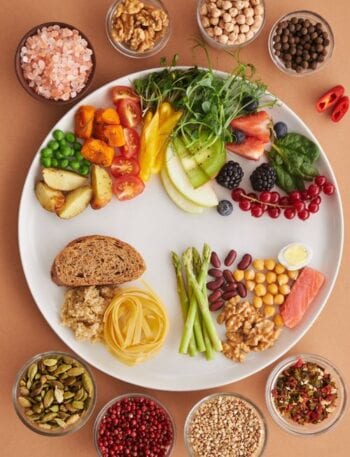
4. Gradually increasing fiber from food
A low-fiber diet is one of the most common contributors to constipation. Adults are often advised to aim for around 25–30 g of fiber per day, depending on individual tolerance and local guidelines8, 2.
Good fiber-rich foods include:
- Lentils, chickpeas and beans
- Vegetables, especially leafy greens
- Fruits such as kiwi, oranges, apples and berries
- Whole grains
- Seeds such as chia or flaxseed
- Psyllium husk as a supplement if food fiber is not enough
Evidence rank: Strong for prevention and general bowel health, but response varies.
Evidence Rank B: Helpful, but Depends on the Person
5. Hydration
Many people say, “Drink water and constipation will disappear.” That is not always true. If you are already well hydrated, drinking excessive water may not fix constipation. But if your stool is dry and hard, or if you eat more fiber, hydration becomes essential8, 2.
Simple target: Look at urine color. Pale yellow usually suggests adequate hydration. Dark urine may suggest you need more fluids, unless caused by vitamins or medication.
Evidence rank: Moderate as supportive care.
6. Morning routine
The colon naturally becomes more active after waking and after eating. This is called the gastrocolic reflex. A consistent morning routine can help train the bowel.
Try this:
- Drink water or a warm drink after waking.
- Eat breakfast with fiber.
- Sit on the toilet for 5–10 minutes after breakfast without forcing.
- Use a small footstool to raise the knees slightly.
Evidence rank: Moderate, low risk.
7. Physical activity
Movement supports gut motility, especially in people who sit for long periods. Observational data suggest that healthier diets combined with higher physical activity are associated with lower constipation risk9.
You do not need intense exercise. Walking 20–30 minutes daily may help, especially when combined with fiber and hydration.
Evidence rank: Moderate.
8. Ground flaxseed or chia seeds
Flaxseed and chia seeds provide fiber and mucilage-forming compounds that can help soften stool. They are practical, affordable and easy to add to yogurt, soup or smoothies.
How to use: Start with 1 teaspoon daily and increase slowly. Always drink water with them.
Evidence rank: Moderate to limited, but biologically plausible and commonly useful.
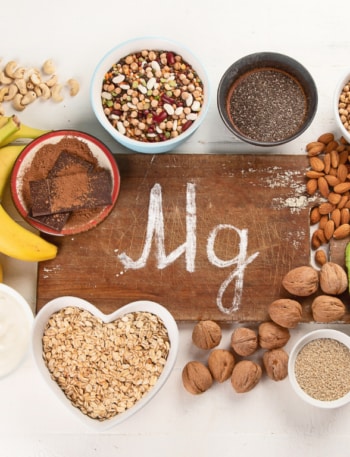
9. Magnesium
Magnesium salts can act as osmotic laxatives, drawing water into the bowel. The 2023 AGA–ACG guideline includes magnesium oxide as an evidence-based option for chronic idiopathic constipation3.
Although magnesium is “natural” as a mineral, supplements are not automatically safe for everyone.
Evidence rank: Moderate, but requires safety caution.
Evidence Rank C: Mixed or Weaker Evidence
10. Probiotics
Probiotics are popular for gut health, but constipation results are mixed. Some strains may improve stool frequency or bloating, but effects depend on the strain, dose and person. “Probiotic” is not one treatment; it is a category.
My scientific view: Probiotics may help some people, especially if constipation is linked with bloating or after antibiotics, but they are not my first-line choice before fiber, kiwi, prunes and routine.
Evidence rank: Mixed.
11. Olive oil
A spoon of olive oil is a common home remedy. It may help some people by lubricating stool and stimulating bile flow, but the evidence is much weaker than for psyllium, kiwi or prunes.
How to use safely: Use olive oil as part of food, not as excessive spoonfuls. Too much can cause nausea or diarrhea.
Evidence rank: Limited.
12. Lemon water, herbal teas and “detox” drinks
Warm lemon water may help indirectly if it increases fluid intake and creates a morning habit. But lemon itself is not a proven constipation treatment.
Be careful with “detox teas.” Many contain stimulant laxatives such as senna or aloe latex. They may cause cramps, diarrhea, dehydration or dependence if overused.
Evidence rank: Weak for lemon water; safety concern for detox teas.
Natural Remedies I Do Not Recommend Casually
Castor oil
Castor oil is a strong stimulant laxative. It can cause cramping, diarrhea and dehydration. It is not a gentle daily constipation remedy and should be avoided during pregnancy unless specifically prescribed.
Aloe latex
Aloe gel on the skin is different from aloe latex taken orally. Aloe latex can act as a harsh laxative and may cause cramps, electrolyte imbalance and safety concerns.
Frequent enemas
Occasional medical use may be necessary in specific cases, but frequent enemas without medical guidance can irritate the bowel and may worsen dependency.
My Practical 3-Day Natural Constipation Plan
| Day | What to Do | Why It Helps |
|---|---|---|
| Day 1 | Start hydration, a warm morning drink, breakfast and toilet routine. Add 2 kiwifruits daily or 3–5 prunes. Walk for 20 minutes. | Supports bowel rhythm, stool softness and gentle gut movement. |
| Day 2 | If stools remain hard, add psyllium: 1 teaspoon in a large glass of water. Continue kiwi or prunes, but do not add everything at once if sensitive to bloating. | Psyllium helps bulk and soften stool when taken with enough water. |
| Day 3 | Increase vegetables, soup and fiber-rich foods. Keep the morning routine. Review possible causes such as iron supplements, low movement, stress, poor sleep or medications. | Long-term improvement often requires correcting the cause, not only adding remedies. |
If constipation persists for more than 2–3 weeks despite these measures, or if red flags appear, medical evaluation is the safest option.
FAQ
What is the best natural remedy for constipation?
Based on current evidence, psyllium husk, kiwi fruit and prunes are among the best-supported natural options.
How fast do natural remedies work for constipation?
It depends on the remedy and the person. Prunes may help some people within 24–48 hours. Psyllium often needs a few days of regular use.
Is drinking more water enough to cure constipation?
Not always. Hydration is important, especially when increasing fiber, but water alone may not solve constipation if the cause is low fiber, medication, slow gut motility or iron supplements.
Are prunes better than psyllium?
Both can help, but they work differently. Psyllium is a soluble fiber supplement, while prunes are a food-based option containing fiber and sorbitol.
How many kiwis should I eat for constipation?
Most clinical studies use two kiwifruits per day.
Can constipation be caused by iron supplements?
Yes. Iron supplements are a common cause of constipation. If constipation started after taking iron, ask a healthcare professional about adjusting the dose, form or timing.
When should I see a doctor for constipation?
You should seek medical advice if constipation is new, persistent, severe, or unusual for your body, especially with blood in stool, unexplained weight loss, vomiting, severe pain, fever or inability to pass gas.
Takeaway
The best natural remedies for constipation are not the most exotic ones. The strongest evidence supports psyllium husk, kiwi fruit and prunes, combined with adequate fluids, gradual fiber increase, movement and a consistent toilet routine.
My scientist’s rule is simple:
Constipation is common, but it should not be ignored when it becomes persistent, painful or unusual for your body. Listen to your gut — but also listen to the evidence.
References
- Mayo Clinic. Constipation: symptoms and causes (2025). Source ↩ 1
- NICE. Constipation in adults: diagnosis and management (2025). Source ↩ 2 ↩ 11 ↩ 13
- Chang, L. et al. AGA-ACG clinical practice guideline: pharmacological management of chronic idiopathic constipation. Am. J. Gastroenterol. 118, 936–954 (2023). DOI ↩ 3 ↩ 15
- Chey, S. W., Chey, W. D., Jackson, K. & Eswaran, S. Exploratory comparative effectiveness trial of green kiwifruit, psyllium, or prunes in US patients with chronic constipation. Am. J. Gastroenterol. 116, 1304–1312 (2021). DOI ↩ 4 ↩ 7 ↩ 9
- Bayer, S. B. et al. Two gold kiwifruit daily for effective treatment of constipation in adults: a randomized clinical trial. Nutrients 14, 4146 (2022). DOI ↩ 5
- Gearry, R. B. et al. Consumption of 2 green kiwifruits daily improves constipation and abdominal comfort: an international multicenter randomized controlled trial. Am. J. Gastroenterol. 118, 1058–1068 (2023). DOI ↩ 6
- Attaluri, A., Donahoe, R., Valentin, N., Brown, K. & Rao, S. S. C. Randomised clinical trial: dried plums (prunes) vs. psyllium for constipation. Aliment. Pharmacol. Ther. 33, 822–828 (2011). DOI ↩ 8
- Lindberg, G. et al. World Gastroenterology Organisation global guideline: constipation — a global perspective. J. Clin. Gastroenterol. 45, 483–487 (2011). DOI ↩ 10 ↩ 12
- Kim, S. J. Diet, physical activity, and chronic constipation. J. Neurogastroenterol. Motil. 30, 295–297 (2024). ↩ 14
Sign Up for Our Email List
Get our latest articles, healthy recipes, tips, and exclusive deals delivered straight to your inbox with our newsletter.
We won't send you spam. Unsubscribe at any time.